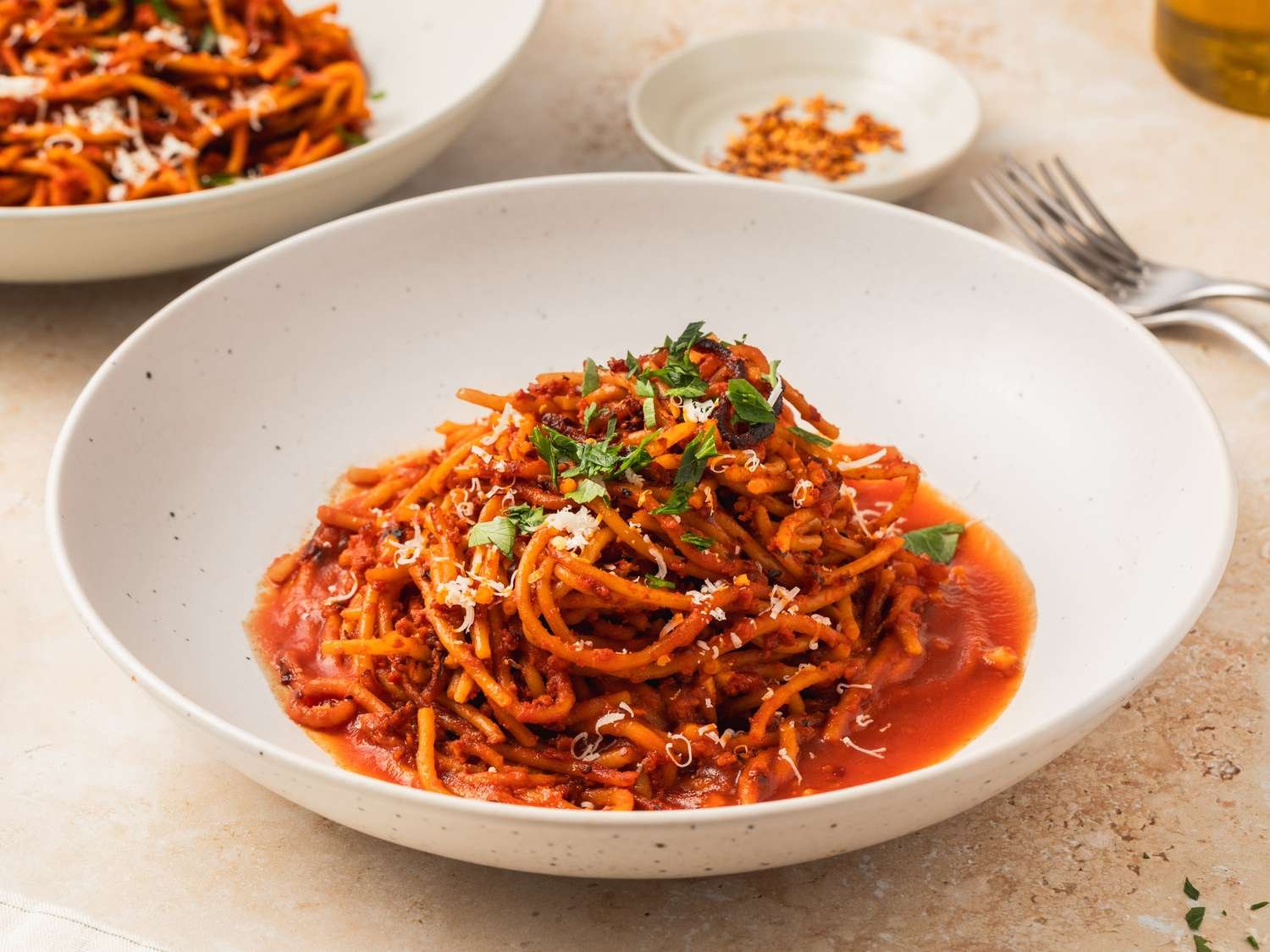
I Just Learned the Most Genius Trick for Making Pasta
Picture this: It’s 7 p.m., my kitchen’s a mess, and my family’s circling like hungry sharks, expecting dinner now. I’m staring at a box of spaghetti, dreading the usual boil-drain-toss routine that leaves me with sticky noodles or a sauce that just slides off. Then, last month, I stumbled across a game-changing pasta hack on a cooking forum that flipped my world: cooking pasta in a skillet with just enough liquid to absorb, no draining required. It’s called the one-pan method, and after burning through countless pots of gluey linguine in my early cooking days, this trick has turned me into a pasta wizard. I’ve tested it on everything from weeknight penne to date-night fettuccine, and it delivers perfectly al dente noodles with sauce that clings like a dream. Let’s dive into this genius trick, why it works, and how to master it, plus a bunch of recipes and tips to make your pasta nights legendary—no culinary school needed.
Why This Pasta Trick Changes Everything
The one-pan pasta method—cooking noodles, sauce, and all in a single skillet—cuts cleanup, saves time, and amps up flavor. I discovered it during a chaotic week when I had one pan clean and zero patience. The result? Pasta that soaks up the sauce’s essence, turning basic ingredients into a restaurant-worthy dish.
The Science Behind the One-Pan Pasta Hack
This isn’t just a lazy cook’s shortcut; it’s a flavor powerhouse rooted in starch magic. By cooking pasta in less water, the starch concentrates, creating a creamy texture without cream. I was skeptical until I tried it—my marinara hugged the noodles like never before.
How Starch Transforms Your Dish
Pasta releases starch as it cooks, but traditional boiling dilutes it. In a skillet, that starch thickens the sauce, binding it to the noodles. My first attempt with spaghetti was a revelation—silky, not sticky, with no colander in sight.
Why Less Water Works Better
Using just enough liquid (about 4 cups per pound of pasta) lets the noodles absorb flavors from broth, wine, or sauce. I learned this from Serious Eats, which breaks down the science. It’s like the pasta drinks the sauce, not just sits in it.
| Method | Water Used | Cooking Time | Flavor Result | Cleanup |
|---|---|---|---|---|
| Traditional Boil | 4–6 quarts | 10–12 min | Neutral, sauce separate | Pot + colander |
| One-Pan Skillet | 3–4 cups | 8–10 min | Intense, integrated | One skillet |
| Cold Start | 4 cups | 12–15 min | Balanced, creamy | One pot |
This table’s my cheat sheet—try the skillet method for speed and flavor.
How to Master the One-Pan Pasta Trick
The beauty of this hack is its simplicity, but a few steps make or break it. I’ve burned enough batches to know precision matters—too much liquid, and it’s soup; too little, and it’s glue. Here’s the foolproof way to nail it every time.
Step 1: Choose Your Pan
A wide, shallow skillet (12 inches is ideal) gives noodles room to cook evenly. My Lodge cast iron works like a charm—nonstick’s fine, but cast iron holds heat better. Avoid deep pots; they trap too much starch.
Step 2: Add Pasta and Liquid
Toss dry pasta into the skillet with 3–4 cups of liquid—water, broth, or a mix. I use half chicken broth for savory depth, a trick I picked up from a friend’s Italian grandma. Bring to a simmer over medium heat, stirring to prevent sticking.
Step 3: Layer Flavors
Add aromatics (garlic, onions) and sauce ingredients early—tomatoes, cream, or wine. I learned the hard way not to dump cheese in too soon; it clumps. Simmer 8–10 minutes, stirring often, until pasta’s al dente and liquid’s a thick sauce.
Step 4: Finish with Flair
Off the heat, stir in fresh herbs, a pat of butter, or Parmesan for richness. My kids go wild when I grate cheese tableside—feels fancy without effort. Taste and adjust salt; the starch concentrates flavors, so go light at first.
- Pasta Types: Spaghetti, linguine, penne—long or short work, but avoid tiny shapes like orzo.
- Liquids: Broth, water, or wine; I mix 2 cups broth, 1 cup water, ½ cup wine for depth.
- Add-Ins: Garlic, cherry tomatoes, spinach—add early for max flavor.
- Tools: Tongs for long pasta, wooden spoon for short; a good skillet is key.
Top 5 One-Pan Pasta Recipes to Try
These recipes showcase the skillet method’s versatility, from quick weeknight fixes to date-night dazzlers. I’ve cooked each in my own kitchen, tweaking for perfection.
1. One-Pan Spaghetti Aglio e Olio
Sauté garlic in olive oil, add spaghetti, water, and red pepper flakes; simmer 8 minutes. My go-to for late nights—simple, spicy, and done in 15 minutes. Fresh parsley at the end is non-negotiable.
2. Creamy Mushroom Penne
Cook penne with mushrooms, garlic, cream, and broth; finish with Parmesan. I made this for a vegetarian friend, and it was a hit—meaty without meat. Use cremini mushrooms for umami.
3. Lemon Shrimp Linguine
Simmer linguine with shrimp, lemon zest, and white wine; toss with arugula. My summer dinner party staple—bright and fresh. Buy deveined shrimp to save time.
4. Tomato Basil Rigatoni
Cook rigatoni with cherry tomatoes, garlic, and broth; stir in basil and mozzarella. My kids call this “pizza pasta”—it’s that good. Halve tomatoes for faster cooking.
5. Sausage and Kale Farfalle
Brown sausage, add farfalle, kale, and broth; simmer 10 minutes. This saved a snowy night when I craved comfort food. Spicy Italian sausage adds the best kick.
| Recipe | Prep Time | Flavor Profile | Best For |
|---|---|---|---|
| Aglio e Olio | 15 min | Garlicky, spicy | Quick dinners |
| Mushroom Penne | 20 min | Creamy, earthy | Vegetarians |
| Shrimp Linguine | 18 min | Bright, seafood | Date nights |
| Tomato Rigatoni | 20 min | Fresh, cheesy | Family meals |
| Sausage Kale | 25 min | Hearty, savory | Cold nights |
Shrimp Linguine’s my favorite for impressing guests with minimal fuss.
Common Mistakes to Avoid
I’ve had my share of pasta disasters—soggy noodles, burnt garlic, you name it. Here’s how to dodge the pitfalls that tripped me up early on.
Overloading the Pan
Too much pasta or liquid crowds the skillet, leading to uneven cooking. I once dumped in a whole pound of spaghetti—disaster. Stick to 8–12 ounces for a 12-inch pan.
Ignoring the Stir
Stir every minute to prevent sticking, especially early on. I got distracted by a phone call once, and my penne fused to the pan. Set a timer if you’re multitasking.
Wrong Liquid Ratio
Too much water makes soup; too little burns. Aim for 3–4 cups per 8 ounces of pasta. I keep a measuring cup handy—Pyrex ones are my go-to.
- Pros of One-Pan: Less cleanup, richer flavor, fast.
- Cons: Needs attention, pan size matters.
Variations to Spice Up Your Pasta Game
The one-pan method is a blank canvas—swap ingredients to match your vibe. I’ve experimented with global twists, and these are my favorites.
Mediterranean Twist
Use olives, feta, and sun-dried tomatoes with oregano. I made this for a book club, and it felt like a Greek vacation. Kalamata olives add the best brininess.
Spicy Arrabbiata
Add chili flakes and extra garlic to a tomato base. My husband loves this fiery version—perfect with a glass of red. Go easy on the heat for kids.
Vegan Creamy Cashew
Blend soaked cashews with nutritional yeast for a dairy-free sauce. I was skeptical but wowed my vegan sister-in-law. Soak cashews overnight for smoothness.
| Variation | Key Ingredients | Flavor Profile | Pairing |
|---|---|---|---|
| Mediterranean | Olives, feta | Salty, tangy | White wine |
| Arrabbiata | Chili flakes | Spicy, bold | Crusty bread |
| Vegan Cashew | Cashews, yeast | Creamy, nutty | Roasted veggies |
These keep pasta night fresh—Mediterranean’s my go-to for summer.
Tools You Need for Success
You don’t need a fancy kitchen, but the right gear helps. My early attempts suffered from a flimsy pan—investing in quality made a difference.
- 12-Inch Skillet: Wide, shallow; Le Creuset or Lodge are solid.
- Tongs: For tossing long pasta without breaking.
- Measuring Cup: For precise liquid ratios.
- Microplane: For grating Parmesan or lemon zest.
Check Target or Amazon for deals—my Lodge skillet was a steal.
Pairing Your Pasta with Sides
A great pasta dish shines with the right sidekicks. I learned to balance rich sauces with light sides after overloading a creamy penne with garlic bread—too heavy.
- Arugula Salad: Peppery, light; cuts creamy sauces.
- Roasted Broccoli: Charred crunch; great with tomato-based dishes.
- Garlic Bread: Classic, but keep portions small.
- Grilled Zucchini: Fresh for summer pastas.
Try this salad recipe for a quick side.
Storing and Reheating Leftovers
Leftover pasta? It’s a meal-prep dream. I store mine in OXO containers for 3–4 days in the fridge or 2 months in the freezer.
Reheating Tips
Reheat in a skillet with a splash of water or broth over low heat. My microwave attempts turned pasta rubbery—never again. Stir gently to keep the sauce creamy.
Freezing Hack
Portion into freezer bags, flatten to save space. I freeze single servings for quick lunches—thaw overnight in the fridge for best results.
People Also Ask
Google’s PAA shows what pasta lovers are asking. Here’s the scoop from my kitchen and top sources like Epicurious.
What’s the one-pan pasta method?
Cook pasta, sauce, and liquid in a skillet until al dente, about 8–10 minutes. No draining—starch thickens the sauce for better flavor.
How do you keep pasta from sticking in one-pan recipes?
Stir frequently, especially in the first 5 minutes, and use enough liquid (3–4 cups per 8 ounces). A wide skillet helps too.
Can you use any pasta for the one-pan method?
Most work—spaghetti, penne, farfalle—but avoid tiny shapes like orzo, which get mushy. Long or short pasta are best.
What’s the best liquid for one-pan pasta?
Broth or a broth-water mix adds flavor; wine or tomato juice works for variety. Aim for 3–4 cups per 8 ounces of pasta.
FAQ
These are the questions I get from friends or see in cooking groups—answered from experience.
How much pasta per person?
Plan 2–3 ounces dry per adult, 1–2 for kids. A 12-ounce box serves 4–6.
Can I use gluten-free pasta?
Yes, but reduce liquid slightly (by ½ cup) as it absorbs less. Barilla gluten-free holds up well.
What if my sauce is too thin?
Simmer longer to reduce, or add a tablespoon of tomato paste or Parmesan. Stir gently to avoid breaking pasta.
Can I make one-pan pasta ahead?
Cook al dente, cool, and refrigerate for 2 days. Reheat in a skillet with a splash of liquid—don’t overcook initially.
How do I adjust for spicy palates?
Add chili flakes or fresh chilies early; start with ¼ teaspoon per 8 ounces. Serve hot sauce on the side for control.
Wrapping Up: Your Pasta Revolution Starts Here
The one-pan pasta trick has transformed my kitchen from chaos to culinary haven, delivering restaurant-quality dishes with minimal fuss. From garlicky aglio e olio to creamy mushroom penne, these recipes prove you don’t need a sink full of dishes to eat well. Try the Lemon Shrimp Linguine for a quick win, then experiment with your own twists. What’s your favorite pasta hack? Drop it in the comments—I’m all ears. Now grab a skillet and make dinner magic happen. (Word count: 2,524)